Virtual VoIP Phone System – What Is It and Why Are Businesses Moving Away from Traditional PBX Systems?
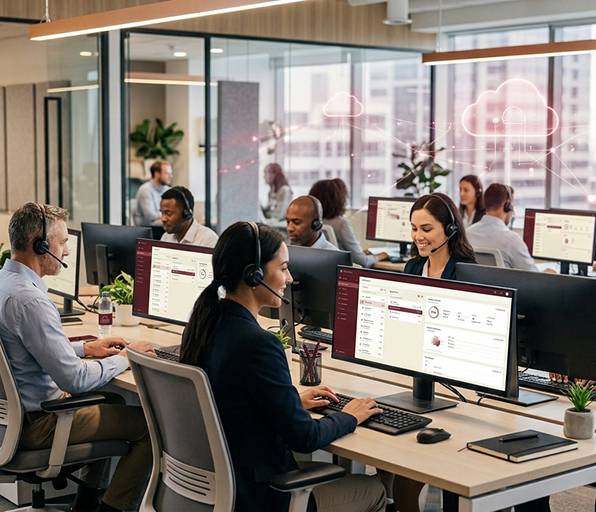
Until a few years ago, companies mainly relied on traditional phone systems that required purchasing hardware, installation, and ongoing technical support. Today, more and more organizations are choosing virtual VoIP phone systems that operate in the cloud and allow businesses to manage communication without investing in expensive infrastructure.
So, what exactly is a virtual VoIP phone system, and why has it become a standard solution for modern businesses?
What Is a Virtual VoIP Phone System?
A virtual VoIP phone system is a cloud-based telephone system that enables businesses to handle calls over the internet.
Unlike traditional phone systems, it does not require the installation of physical equipment in the office. All features are available online, and administrators can manage the system through a web-based control panel.
A virtual PBX allows companies to:
- receive and forward calls,
- create IVR voice menus,
- manage customer call queues,
- record conversations,
- create user groups,
- use business telephony while working remotely.
As a result, business telephony becomes a flexible tool that supports everyday operations.
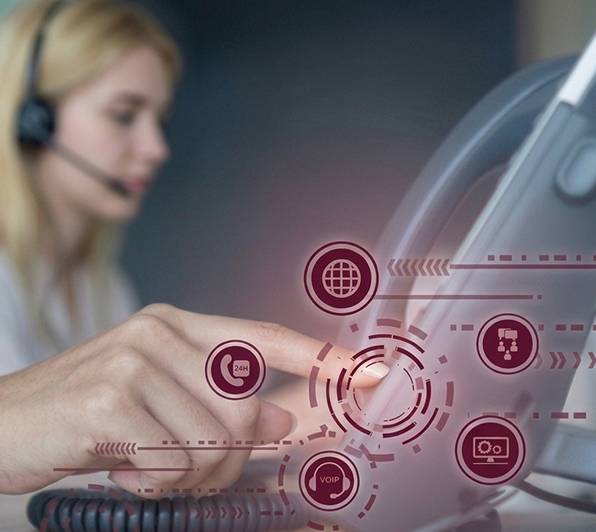
How Does a VoIP Phone System Work?
VoIP (Voice over Internet Protocol) technology enables voice transmission over the internet instead of traditional phone lines.
In practice, this means that phone calls are handled through internet infrastructure, eliminating the need for a company to maintain its own physical PBX hardware.
Employees can use their business phone number through:
- an IP phone,
- a computer,
- a mobile application,
- a desktop application.
This allows a single phone system to support employees working from different locations.
Virtual PBX vs Traditional Phone System – Key Differences
Traditional phone systems often involve additional costs related to:
- purchasing hardware,
- installation,
- configuration,
- maintenance,
- expanding infrastructure.
A virtual VoIP phone system removes many of these limitations.
No Hardware Investment
The company does not need to purchase its own PBX system or prepare dedicated space for equipment.
Easy Scalability
Adding a new user or department does not require complicated technical work.
Work from Anywhere
The phone system also supports remote employees and distributed teams.
Online Management
Administrators can quickly change system settings through a web-based control panel.
Key Features of a Virtual PBX for Businesses
IVR – Professional Voice Menu
IVR allows businesses to automatically route customers to the appropriate departments.
“Press 1 – Sales.
Press 2 – Customer Support.
Press 3 – Technical Department.”
This helps customers receive assistance faster while allowing employees to focus on the right tasks.
Call Recording
Call recording helps businesses monitor service quality and analyze customer conversations.
This feature is particularly valuable for:
- sales departments,
- call centers,
- service companies,
- financial sector businesses.